
If your operation depends on accurate measurements, calibration services in Houston are not optional—they’re critical. Across oil and gas, pipeline testing, and industrial manufacturing, measurement accuracy directly impacts safety, compliance, and performance. Even small errors can compound over time, leading to equipment damage, failed inspections, rejected test results, and costly downtime.
In real-world industrial environments, these are not theoretical risks. A pressure gauge that is off by a small percentage can cause an entire hydrostatic test to fail or create unsafe overpressure conditions. A torque wrench outside of tolerance can compromise joint integrity, leading to leaks or mechanical failure. A load cell providing incorrect readings can result in unsafe lifting practices or inaccurate test outcomes.
These issues are preventable—but only with a structured and consistent calibration program supported by a trusted Houston calibration company.
For companies operating in regulated industries, calibration is also a compliance requirement. Standards such as ISO/IEC 17025 and NIST traceability require instruments to be tested, documented, and maintained within strict tolerances. Without proper records, organizations risk audit failures, penalties, and operational delays.
This guide provides a comprehensive overview of instrument calibration services in Houston, including how they work, why they matter, and how they apply to real-world industrial operations.
👉 Need fast, ISO 17025-accredited calibration in Houston? Contact Tech Cal today to minimize downtime and stay compliant.
Tech Cal specializes in ISO/IEC 17025-accredited calibration services in Houston, with a focus on pressure, torque, load, and mechanical chart recorders used in oil & gas and pipeline applications—delivering fast turnaround and rush service for time-sensitive projects.
Instrument calibration is the process of comparing a measurement device to a known, traceable standard and adjusting it to ensure accuracy within a defined tolerance.
Over time, all instruments drift due to:
This drift introduces error into your measurements and reduces confidence in your data.
Calibration establishes a verified baseline by:
A proper calibration includes:
Without calibration, measurement systems degrade—and operational risk increases.
These are some of the core calibration services we provide and why they are important:
Pressure gauge calibration is one of the most critical services for Houston-based operations.
Pressure instruments are used in:
Even minor inaccuracies can lead to:
Pressure transducer calibration ensures electronic signals reflect actual system conditions, which is critical for automated controls and alarms.
Relief valve testing verifies correct set points:
Torque wrench calibration Houston ensures fasteners are tightened to the correct specifications.
Out-of-calibration torque tools can cause:
This is especially critical in:
Accurate torque = safe, repeatable, and reliable assembly
Load cell calibration Houston is essential for accurate force and weight measurement.
Used in:
Calibration prevents:
Regular calibration ensures safe and compliant lifting operations.
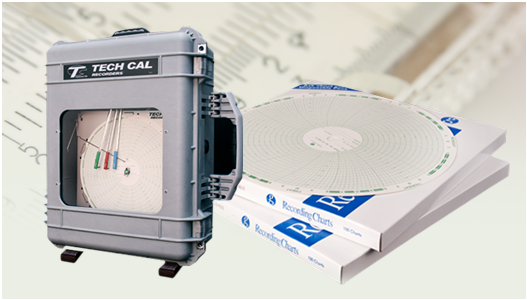
Industrial chart recorder calibration ensures accurate recording of pressure and temperature over time.
These devices are critical in:
If uncalibrated:
Calibration ensures recorded data is accurate, traceable, and audit-ready.
Calibration plays a critical role across:
Oil & Gas
Pipeline Testing
Industrial Manufacturing
In each case, industrial calibration services ensure:
Ignoring calibration can lead to serious consequences:
Even small measurement errors can result in:
Calibration prevents these risks before they escalate.
A professional calibration process includes:
This structured process ensures:
Calibration frequency depends on:
Usage
High-use tools → more frequent calibration
Environment
Harsh conditions → faster drift
Criticality
Safety equipment → shorter intervals
Typical guidelines:
A risk-based approach is recommended.
It is the international standard ensuring calibration labs meet strict quality, accuracy, and traceability requirements.
It links measurements to national standards, ensuring consistency and reliability.
It must be adjusted, repaired, or replaced—and documented accordingly.
Yes, depending on the instrument and accuracy requirements.
Local providers reduce downtime and improve turnaround time.
Calibration costs vary depending on the type of instrument, accuracy requirements, and turnaround time. High-accuracy or specialty equipment may require more detailed testing, while standard instruments are typically more cost-effective.
Turnaround time depends on the equipment and workload, but many calibration providers offer expedited or rush services. At Tech Cal, standard turnaround is fast, with rush service available when downtime is critical.
An instrument is considered out of tolerance when its readings fall outside the acceptable accuracy limits. When this occurs, adjustments, repairs, or replacement may be required, and proper documentation must be maintained for compliance.
Auditors require proof that instruments are accurate and traceable to recognized standards. Regular calibration ensures your documentation is complete and helps avoid audit findings or operational delays.
Instrument calibration is essential for maintaining accuracy, safety, and compliance in industrial operations. From pressure systems to torque tools and load measurement, calibration ensures your data is reliable and your equipment performs as expected.
Without a structured calibration program, small measurement errors can turn into major operational failures.
Selecting the right provider directly impacts your operation.
Look for:
ISO/IEC 17025 Accreditation
Ensures:
Fast Turnaround
Minimize downtime with:
Industry Experience
Choose a provider familiar with:
Documentation Quality
Ensure clear calibration certificates with:
Reliable Service
Consistency matters more than price.
In Houston’s demanding industrial environment, accurate measurement is critical. Partnering with a trusted provider like Tech Cal ensures your equipment stays compliant, reliable, and operational.If you are looking for calibration services in Houston, Tech Cal delivers ISO 17025-accredited solutions for pressure, torque, load cell, and chart recorder calibration—helping you reduce risk, improve accuracy, and keep your operation running smoothly.
